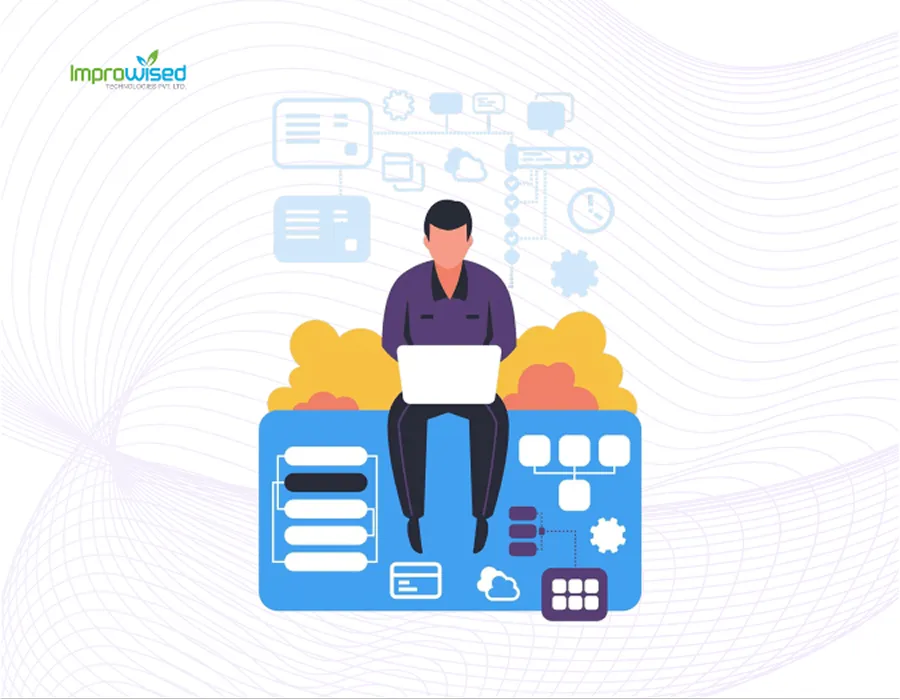
Uptime Assurance for Predictable Delivery at Scale
System continuity remains uninterrupted as automated failovers and load balancing absorb infrastructure volatility to protect service delivery and user trust. Reliability is no longer dependent on coordination across teams and escalation paths.
Start TransformationAvailability
99.99% Uptime across critical regions
Recovery Speed
< 10 Minute Average Incident Recovery
Release Impact
Zero-Downtime Releases at Scale
Challenges
The Strategic Bottlenecks We Eliminate
Late Outage Detection
Customer-facing failures are discovered through support escalations or revenue signals, not monitoring systems, increasing downtime cost and reputational damage.
Uptime Assumed By Default
Availability is expected rather than engineered, leaving known failure scenarios unaddressed until they surface as production incidents.
Cascading System Failures
A single dependency failure spreads across services due to missing isolation, throttling, and fail-safe mechanisms under real traffic conditions.
No Business Impact Clarity
During incidents, leadership lacks clear visibility into affected customers, revenue exposure, and recovery timelines, delaying confident decision-making.
Change Driven Instability
Frequent releases and infrastructure changes introduce compounding risk, making uptime unpredictable as platform complexity and velocity increase.
Ownership Without Control, Slowed by Closed Tooling
Leadership is accountable for uptime outcomes without clear ownership or enforceable standards, and proprietary monitoring and failover tools limit access to root-cause data and tie fixes to a vendor's release cycle, extending incident duration.
OUR SOLUTION
How You Benefit
Sustained Customer Trust, Reliability as a Business Constant
System health remains continuously visible rather than inferred after failure, with issues surfaced and resolved internally before customers experience disruption, so stability reflects deliberate control rather than chance
Faster Detection Through AI-Native Monitoring
AI models process telemetry, logs, and traces as they arrive and flag anomalies before fixed thresholds are breached, correlating root cause automatically and cutting the time between failure and first response.
Continuity of Revenue-Critical Operations
Critical transactions continue during infrastructure stress. Failures do not interrupt customer journeys or commercial flows. Business continuity holds under pressure.
Sustained Compliance Assurance
Uptime and availability standards remain consistently met. Audits confirm operational reality instead of exposing gaps. Regulatory confidence exists without last-minute correction.
Confidence in Customer Commitments
What the business commits externally matches how systems behave internally. Sales, legal, and leadership speak from shared certainty. Reliability is represented accurately and consistently.
Contained Business Risk, No Vendor Lock-In
Availability remains governed without constant vigilance or escalation, and since the failover, monitoring, and alerting stack runs on open source components, engineers patch and extend it directly instead of waiting on a vendor's roadmap.
Our Approach
Open-Source and AI-Native By Design
01
Open Source Core
Failover, monitoring, alerting, and load balancing run on open-source tools we contribute to, not closed platforms we depend on. Configurations and integrations stay visible and auditable. Changes deploy on our schedule, not a vendor's release cadence, and nothing about how the system behaves is hidden from your team.
02
AI-Native Operations
AI models are part of the monitoring pipeline, not an add-on. They process telemetry, logs, and traces continuously, detect anomalies before they breach a static threshold, and correlate related signals into a single incident instead of a dozen isolated alerts. Detection and triage run around the clock, without waiting on a scheduled check or a human first to notice.
EXPERTISE