
December 13, 2024
Cloud Computing: A Revolutionary Business Model Innovation

Hussain Gandhi
Author

Priyank Dhami
Contributor

Shailesh Davara
Reviewer
Cloud Computing: A Revolutionary Business Model Innovation
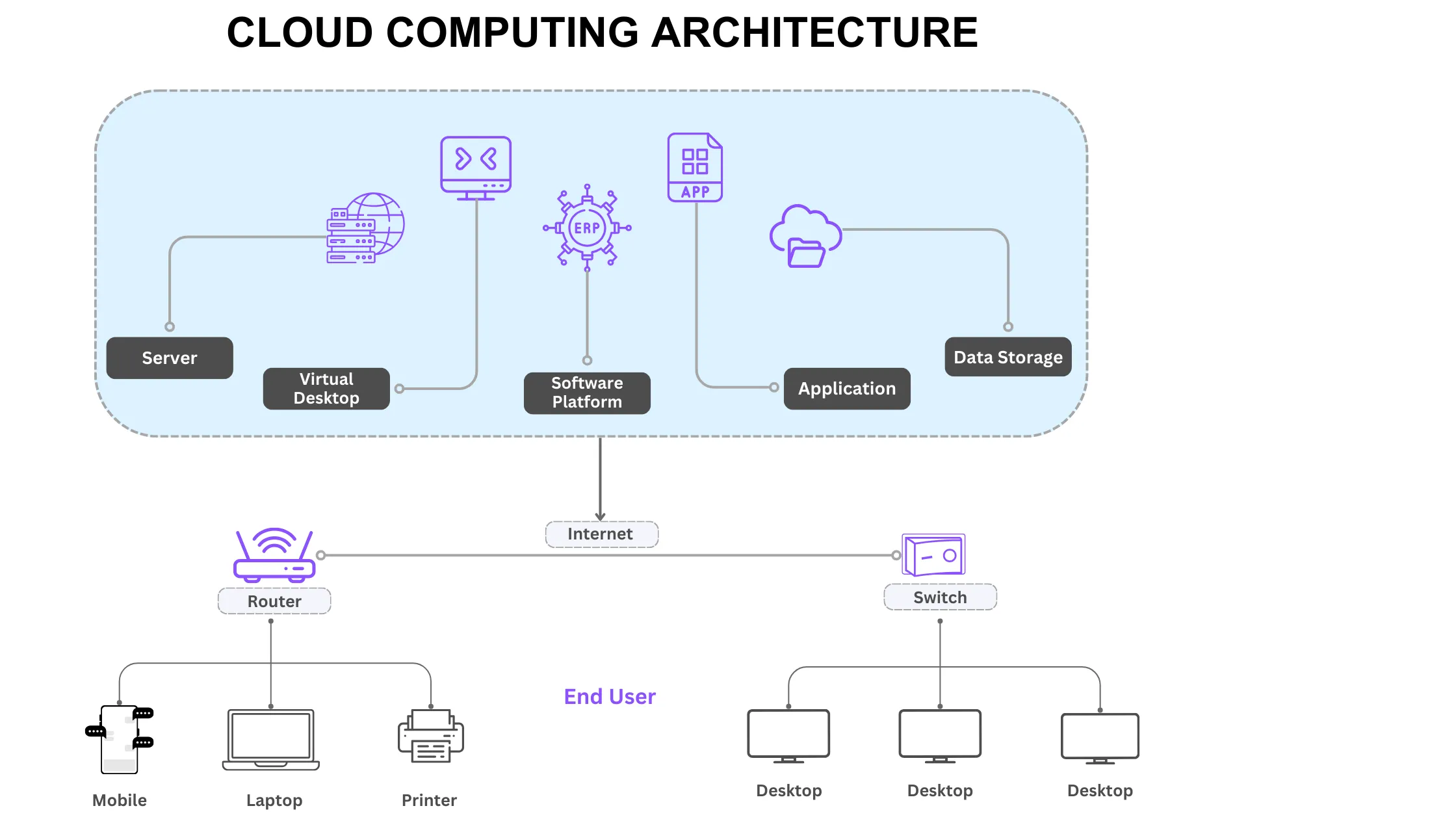
In this blog, we will delve into the impact of cloud computing on business operations, its role in driving innovation, and provide a detailed comparison of the major cloud service providers Amazon Web Services (AWS), Google Cloud Platform (GCP), and Microsoft Azure.
The Cloud Revolution: A New Business Paradigm
Cloud computing has dismantled traditional barriers to entry and growth for businesses. No longer do startups need to invest heavily in infrastructure to scale their operations. The cloud provides an on-demand, pay-as-you-go model that reduces the time, money, and people required to build and deploy infrastructure and applications.
Imagine a world where you can access as much computing power as you need, whenever you need it, without worrying about the upfront costs or complexities of managing physical infrastructure. This is the reality of cloud computing, a revolutionary business model that has transformed the way organizations of all sizes access and use technology. With cloud computing, you can:
-
Provision resources instantly: Scale up or down your computing power as needed, without waiting for hardware to be delivered or set up.
-
Access resources from anywhere: Work from your laptop, tablet, or smartphone, accessing your cloud resources through a secure internet connection.
-
Share resources efficiently: Pool your resources together with other users, dynamically allocating and reallocating them based on demand.
-
Adapt to changing needs: Quickly adjust your resource usage to match your business’s evolving requirements.
-
Monitor and control costs: Track your resource consumption and optimize your spending to ensure cost-effective utilization.
Developing Global Enterprises and Startups
The cloud has emerged as an equalizer for businesses of all sizes. Large enterprises use cloud technologies to streamline operations, enhance scalability, and reduce costs. For instance, General Electric (GE) adopted cloud technologies to streamline its industrial operations, resulting in a 10% increase in productivity and a doubling of its capacity for data analysis.
Startups, on the other hand, find the cloud an ideal environment for experimentation, iteration, and rapid scaling. Companies like Uber and Airbnb, which are born in the cloud, have revolutionized entire industries by harnessing the cloud’s agility, scalability, and cost-efficiency. These businesses are not burdened by legacy systems, allowing them to embrace a cloud-native approach from the outset. This ability to innovate quickly and scale on demand has enabled startups to compete with established enterprises, leveling the playing field in the business world.
Driving Innovation and Business Model Transformation
Cloud computing has become a powerful catalyst for business model innovation. It enables organizations to generate new business models and disrupt industries in unprecedented ways. For example, Netflix transformed from a DVD rental service to a global streaming powerhouse by using Amazon Web Services (AWS) to manage its massive data volumes and deliver personalized content to millions of subscribers.
The cloud’s ability to gather, process, and serve information with unmatched speed and scale is crucial for driving advanced machine learning algorithms and predictive analytics. This predictive capability, fueled by the cloud’s computational power, allows businesses to make informed decisions and gain a competitive edge.
Hybrid and Multicloud Strategies
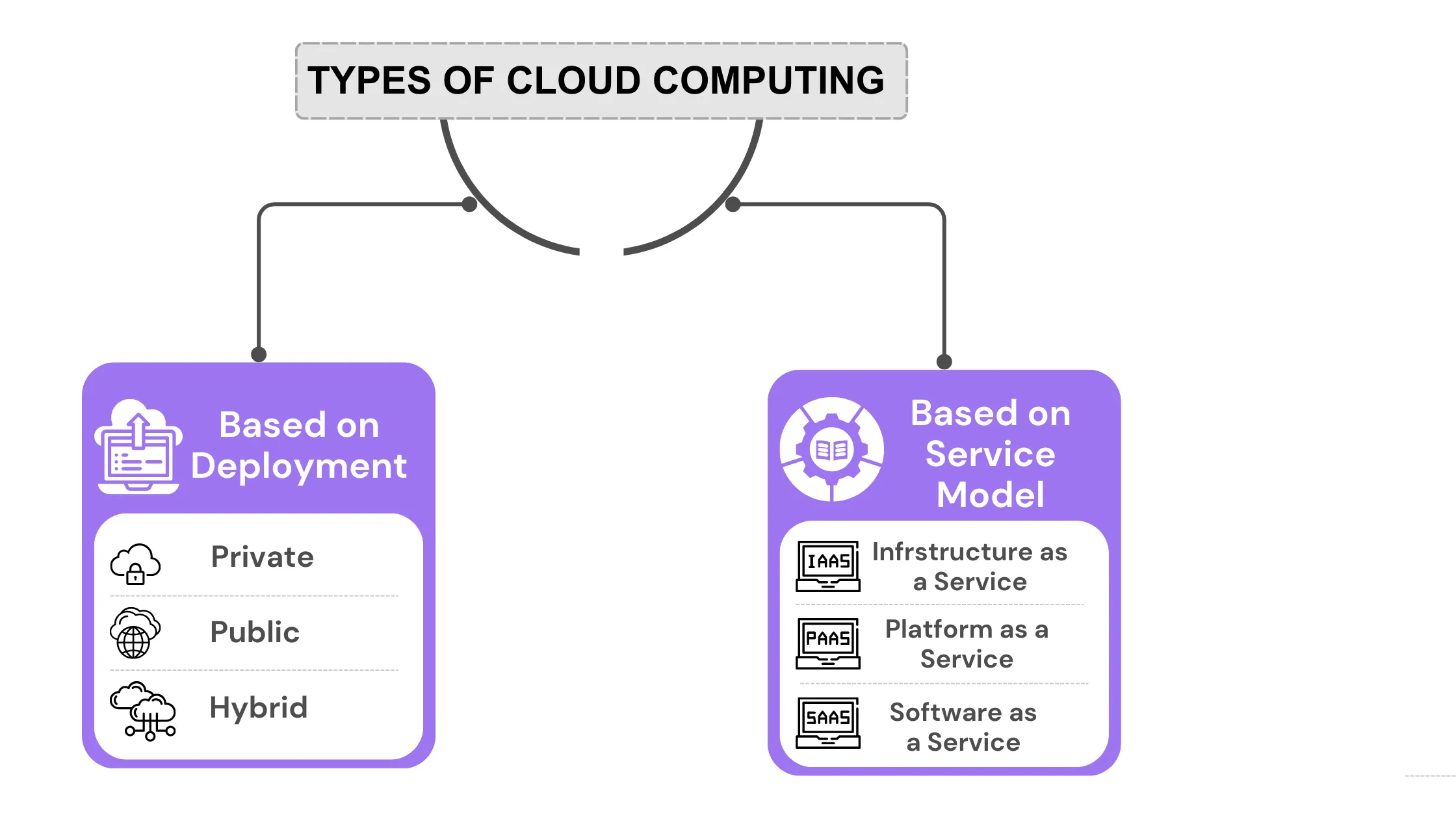
As businesses continue to adopt cloud technologies, hybrid and multicloud strategies are becoming increasingly popular. These approaches offer greater flexibility, resilience, and performance by integrating on-premises infrastructure with public cloud services or using cloud services from multiple providers.
-
Hybrid Cloud: This strategy combines on-premises infrastructure with public cloud services, allowing businesses to maintain sensitive data onsite while enjoying the scalability and cost advantages of public clouds.
-
Multicloud: This approach involves using cloud services from multiple providers to meet different business needs, enhancing redundancy, minimizing the risk of service disruptions, and using the unique strengths of each cloud provider.
Cloud Service Providers: A Comparative Analysis
When choosing a cloud service provider, it is essential to understand the strengths and weaknesses of each major player: AWS, GCP, and Azure.
Amazon Web Services (AWS)
AWS, a leading cloud provider, offers unparalleled scalability and a wide range of services, including its innovative serverless platform, Lambda. Its global infrastructure ensures low latency and high availability. However, its complexity and vendor lock-in can pose challenges for some users. While AWS offers a pay-as-you-go model, costs can escalate for complex deployments.
Google Cloud Platform (GCP)
GCP excels in machine learning (TensorFlow, AutoML) and big data analytics (BigQuery). Its integration with Google services and cost-effectiveness make it appealing. However, a smaller ecosystem and fewer data centers compared to AWS might limit its appeal. While rapidly growing, GCP is still less mature than AWS in terms of service breadth and depth.
Microsoft Azure
Azure integrates seamlessly with Microsoft’s enterprise software suite, making it cost-effective and ideal for businesses already using Microsoft products. It offers strong hybrid cloud support, security, and compliance features. However, Azure might be less scalable and innovative compared to AWS and GCP, and its pricing model can be complex.
The ideal cloud provider depends on factors like specific business needs, scalability, performance, cost, ecosystem, integration, and security. GCP excels in AI/ML, Azure in enterprise integration, and AWS in scalability and performance. Prioritize security and compliance for sensitive data.
Conclusion
The significance of discussing cloud computing as a business model innovation is evident in its transformative impact on business operations, innovation, and scalability. It has broken down traditional barriers, allowing businesses to access computing power, storage, and applications on-demand. Cloud computing fuels innovation, enabling businesses to generate new revenue streams and disrupt industries. Its agility, scalability, and cost efficiency are crucial in today’s fast-paced environment. While hybrid and multicloud strategies are gaining traction, the need for a balanced approach is essential. Businesses must carefully evaluate their specific needs, considering factors like security, compliance, and cost management. By understanding these factors and the evolving trends in cloud adoption, businesses can effectively leverage the cloud to drive growth, innovation, and success.
Frequently Asked Question
Get quick answers to common queries. Explore our FAQs for helpful insights and solutions.
Cloud computing is a business model that provides on-demand access to computing power, storage, and applications over the Internet through a pay-as-you-go model - eliminating the need for heavy upfront infrastructure investments and enabling businesses to scale dynamically.
It enables companies of all sizes to provision resources instantly, access them from anywhere, and adjust usage to match business needs, making growth and innovation faster and more cost-efficient.
The cloud fuels innovation by enabling advanced analytics, machine learning, and scalable computing that help companies create new products, deliver tailored services, and enter new markets.
- A hybrid cloud combines on-premises infrastructure with public cloud to balance control and scalability. It works best for organizations with regulatory constraints, data residency requirements, or legacy systems that cannot move fully to the cloud, while still needing elastic capacity for growth and peak workloads.
- Multicloud uses services from multiple cloud providers to enhance flexibility, resilience, and performance. It works best for availability-critical and global systems, where workloads can fail over if one cloud experiences an outage, and for organizations that want vendor independence and regional optimization without service disruption.
Each major provider has its strengths - for example, AWS is known for its broad scalability, GCP excels in analytics and AI, and Azure integrates well with enterprise systems. Comparing them helps in choosing the best fit for specific business needs.
Benefits include reduced infrastructure costs, faster scaling, improved agility and productivity, and access to cutting-edge technologies - all contributing to better business outcomes.
Written by
Hussain Gandhi
Hussain Gandhi is a DevOps Engineer at Improwised Technologies Pvt Ltd. He focuses on building scalable systems through automation and scripting. He has hands-on experience with cloud infrastructure, CI/CD pipelines, and infrastructure as code. Hussain combines strong technical skills with a collaborative work style. In his free time, he enjoys learning new things.




Optimize Your Cloud. Cut Costs. Accelerate Performance.
Struggling with slow deployments and rising cloud costs?
Our tailored platform engineering solutions enhance efficiency, boost speed, and reduce expenses.